

The Nigerian telecom sector has witnessed a significant rise in Foreign Direct Investment (FDI), totaling $304 million in the first half of 2024, according to the latest figures from the National Bureau of Statistics (NBS). This marks a dramatic improvement from the entire 2023 total of $134.75 million, signaling a […]
News
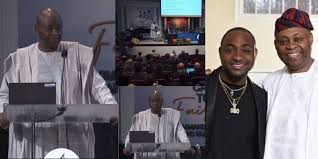
At the Seventh Day Adventist General Conference Annual Council held on October 15, 2024, Adedeji Adeleke, a prominent industrialist and layperson from the West-Central Africa Division, revealed the ongoing construction of Nigeria’s largest thermal power plant. The 1,250 MW facility, valued at $2 billion, will significantly boost the country’s energy […]

Chinazor Onwe, a resident of Abuja, recently shared a remarkable testimony of transformation at a fellowship organized by the Zion Prayer Movement Outreach, founded by Evangelist Ebuka Obi in Lagos. The event, held last Sunday, saw participants recounting various breakthroughs, healings, and deliverances they experienced through the ministry. Onwe, who […]

The family of the late Ogbuefi Dominic Udegbunem Nweke, a respected community leader, has announced his funeral arrangements in celebration of his life following his passing at the age of 91. A statement from his son, Sir Remmy Nweke, Group Executive Editor of ITREALMS Media Group, outlined the details of […]
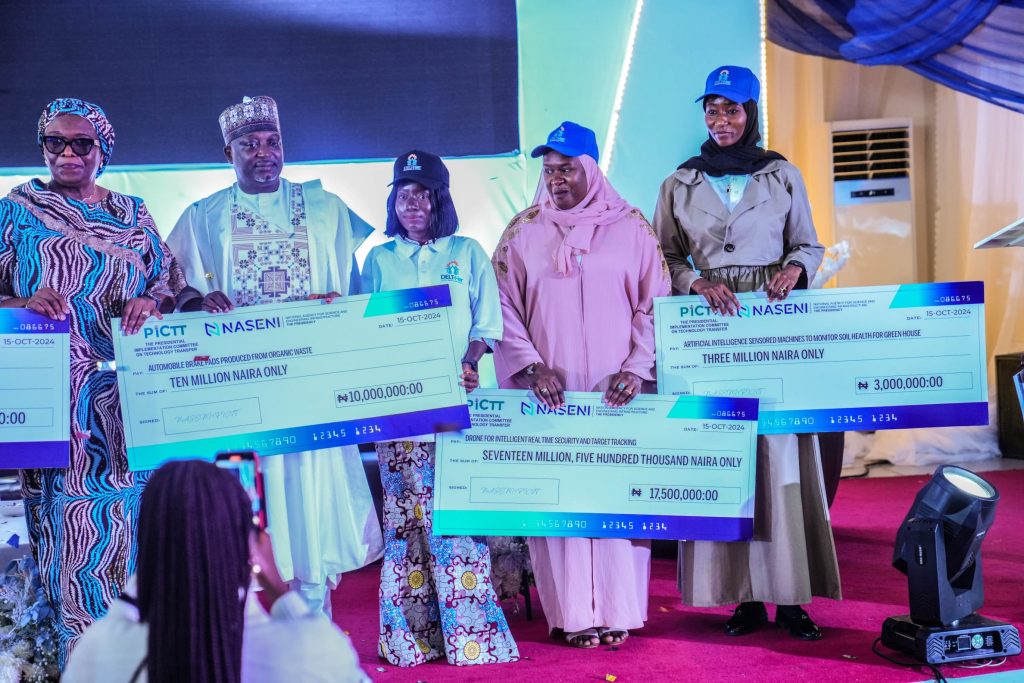
L-R: Representative of the EVC/CEO of National Agency for Science and Engineering Infrastructure, Dr. Mrs. Nonyem Onyechi; Chairman, Presidential Implementation Committee on Technology Transfer, Dr. Dahiru Mohammed; and some winners of the Developing Engineering Leaders Through Her (DELT-Her) initiative call for proposal at the presentation of cheques to the winners at […]

The Pulse Influencer Awards 2024 brought together a mix of new stars, familiar faces, and digital pioneers, celebrating talent, hard work, and innovation in the ever-evolving digital landscape. Themed “Futuristic Fashion: AI Glamour,” the event showcased the top influencers who have made significant impacts in their respective fields over the […]
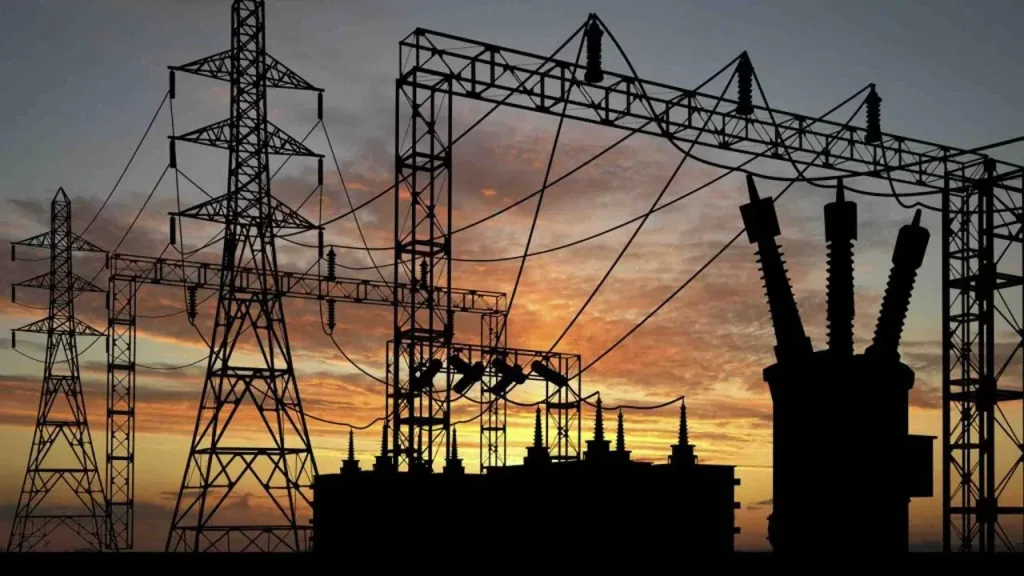
The Transmission Company of Nigeria (TCN) has announced that it is close to fully restoring the national grid after a partial disturbance occurred on Monday evening. According to Mrs. Ndidi Mbah, TCN’s General Manager of Public Affairs, the disturbance, which happened around 6:48 p.m., triggered immediate recovery efforts. In a […]

The Nigerian national petroleum company limited (NNPC) has agreed to sell premium motor spirit (petrol) to members of independent petroleum marketers association of Nigeria ( IPMAN) at N995 per litre, this new pricing comes after the department of state services (DSS) intervened in the dispute between NNPC and IPMAN, aiming […]
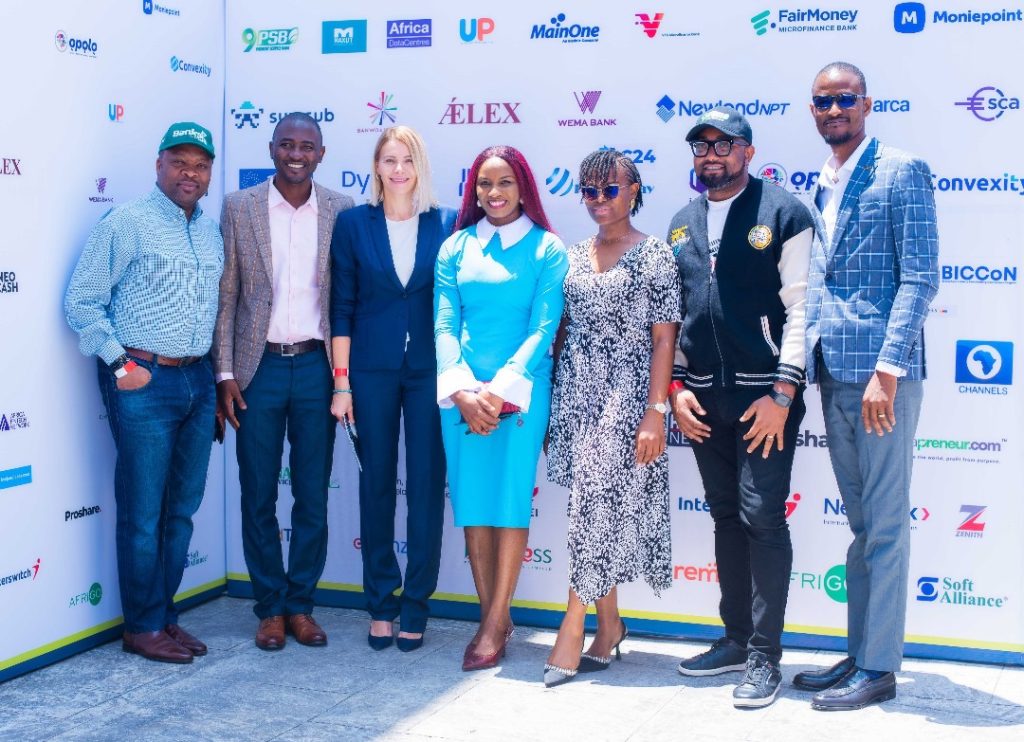
L-R: Oladimeji Saka, Lead Retail Banking, 9 Payment Service Bank (9PSB), Seun Folorunsho, Assistant General Manager, Fintech Association of Nigeria, Branka Mracajac, Chief Executive Officer and Managing Director, 9 Payment Service Bank (9PSB), Inemesit Ekong, Team Lead, Marketing Communications 9PSB, Myra Abasiakara, Digital Marketing & Content Officer, 9PSB, Chukwuemeka Ugwu, Chief Compliance […]

With the aim of raising awareness of mental health issues, 9mobile held an insightful virtual event titled “Navigating Mental Health in a Digital World” on X-space, in commemoration of World Mental Health Day. The event focused on this year’s theme, “Mental Health at Work,” emphasizing the need for universal access […]