


Google has introduced its Growth Academy AI for Cybersecurity program, a new initiative aimed at helping startups that utilize artificial intelligence to strengthen cybersecurity. The program offers emerging companies the tools, knowledge, and international strategies they need to grow their businesses, with expert guidance from Google and other industry leaders. […]
News

At the 2024 National Cybercrimes Summit, held at the Banquet Hall of the Presidential Villa, Kashifu Inuwa, Director-General of the National Information Technology Development Agency (NITDA), emphasized the urgent need for greater investment in cybersecurity training across both public and private sectors. Inuwa highlighted that the benefits of securing organizations […]
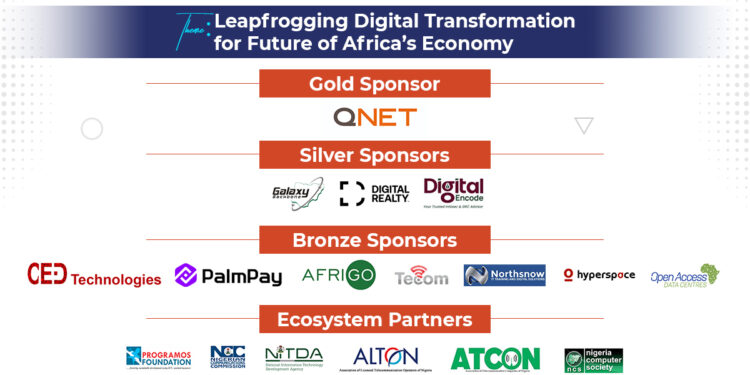
AfriTECH 4.0 organizers are excited to unveil the official sponsors for this year’s highly anticipated event, with QNET taking the spotlight as the Gold Sponsor. AfriTECH 4.0, Africa’s leading technology and innovation conference, will be held on Thursday, November 7, 2024, at Oriental Hotels, Lekki Road, Lagos, Nigeria. This year’s […]

Big Brother Naija Season 9 runner-up Wanni has shared her sense of fulfillment after her journey on the reality TV show, despite not emerging as the ultimate winner. In a recent interview with Pulse, Wanni reflected on her experience in the BBNaija house, describing it as rewarding and transformative. She […]

Babcock University has set a new benchmark in cybersecurity education with its groundbreaking partnership with ThinkCyber Nigeria. This collaboration aims to equip students with world-class cybersecurity training, aligning with global standards and preparing them for the rapidly evolving tech industry. The partnership between Babcock’s School of Computing and Business School […]
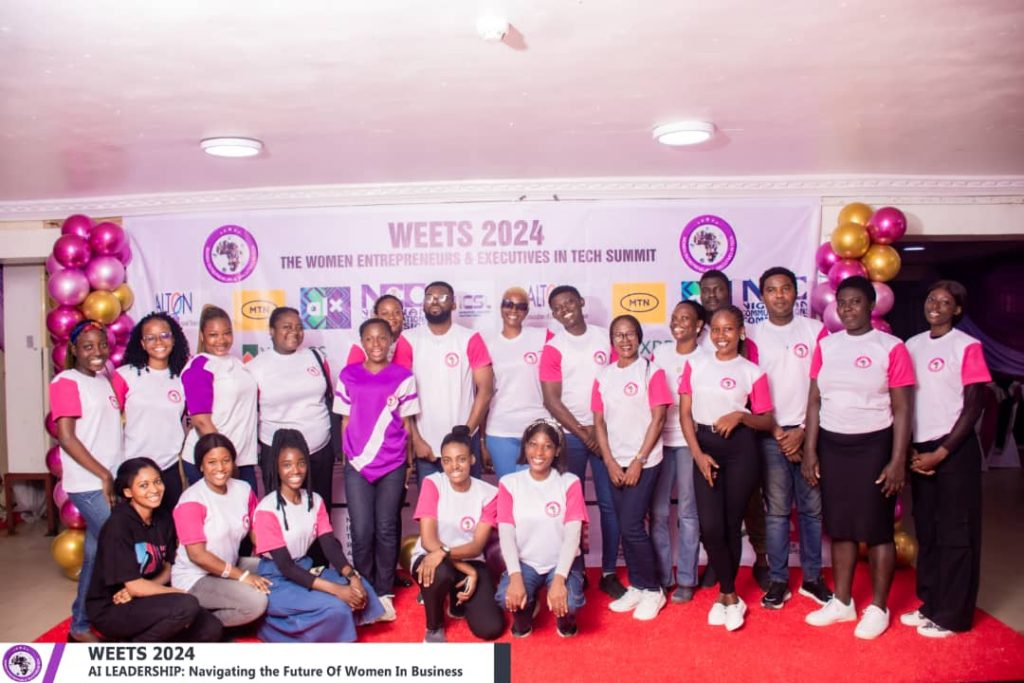
The Women Entrepreneurs and Executives in Tech Summit 2024, with the theme “AI Leadership: Navigating the Future of Women in Business,” was successfully held on September 27, 2024, at the Lagos Chamber of Commerce & Industry, Alausa-Ikeja. The summit brought together prominent women leaders, tech professionals, entrepreneurs, and policymakers to discuss […]

(L-R): Joshua Ibinabo War, Entrepreneurship Development Manager, ALX Nigeria; Chidi Afulezi, Guest Speaker & Product Management Consultant, and Nkechi Idinmachi, Fellowship Specialist, ALX Nigeria, at the Exclusive Product Management Masterclass organised by ALX Nigeria recently in Lagos. ALX Africa, the acclaimed career and entrepreneurship accelerator, has once again strengthened its […]

The Association of Telecommunications Companies of Nigeria (ATCON) has strongly opposed the Federal Government’s intention to reintroduce a five percent excise duty on the telecommunications sector, cautioning that this move could impose significant burdens on the industry. Previously, President Bola Tinubu signed four executive orders on July 6, 2023, which […]

The Nigerian Exchange Limited (NGX) has highlighted the vital importance of Artificial Intelligence (AI) and robust infrastructure in reinforcing cybersecurity defenses. Temi Popoola, Chairman of Central Securities Clearing Systems Plc (CSCS), made this assertion during the company’s cybersecurity conference, held in partnership with the Office of the National Security Adviser […]

Human rights lawyer Festus Ogun has criticized the Nigerian Immigration Service (NIS) for the recent arrest of Nigerian crossdresser, Okuneye Idris, popularly known as Bobrisky. Ogun expressed his disapproval through a Facebook post, calling the arrest “arbitrary, illegal, and unconstitutional,” while emphasizing Bobrisky’s right to freedom of movement under Nigerian […]