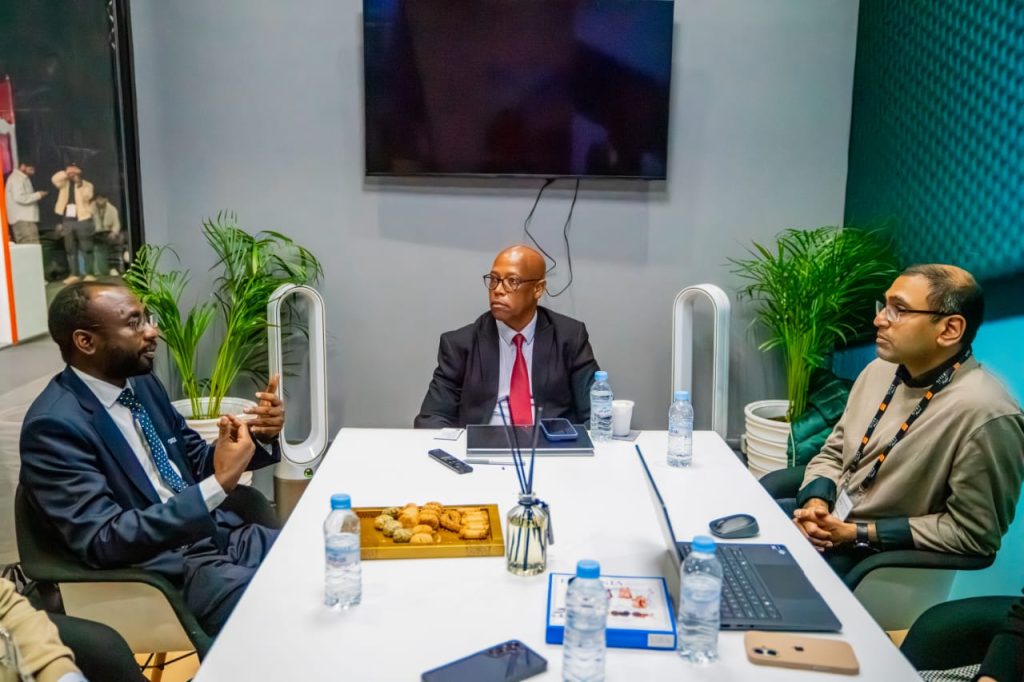
 The West Africa Telecommunications Regulators Assembly (WATRA) has reaffirmed its commitment to fostering a secure, inclusive, and resilient digital ecosystem across the region following the successful conclusion of its 4th Working Groups Meeting in Ouagadougou, Burkina Faso.
Hosted by Autorité de Régulation des Communications Électroniques et des Postes du Burkina Faso, the high-level gathering convened regulators, technical experts, and key stakeholders from across West Africa under the theme: “Building a Secure, Inclusive, and Resilient Digital Ecosystem for West Africa.”
In his remarks, the Executive Secretary of WATRA, Aliyu Yusuf Aboki, described the meeting as a defining moment for the organisation, signalling a shift from dialogue to the delivery of actionable regulatory frameworks.
“Nearly two years after the establishment of the Working Groups, we can take pride in the progress achieved. What began as a vision has evolved into a dynamic mechanism for peer learning, coordination, and knowledge exchange,” Aboki stated.
During the meeting, participants finalised key technical reports addressing critical areas shaping the region’s digital transformation, including 5G deployment, submarine cable resilience, cybersecurity frameworks, consumer protection, and non-geostationary satellite (NGSO) regulation. These outputs are expected to serve as practical tools to guide policy formulation and regulatory actions across WATRA’s 16 member states.
Aboki emphasised the significance of these deliverables, noting that they will strengthen regulatory harmonisation and enhance coordinated efforts to bridge the digital divide across West Africa.
“These reports go beyond documentation they are strategic instruments designed to inform policy, guide regulatory action, and promote regional alignment,” he said.
The meeting comes at a pivotal time as West Africa’s telecommunications landscape continues to evolve rapidly, driven by emerging technologies such as digital financial services, artificial intelligence, and the Internet of Things (IoT). This transformation, Aboki noted, requires forward-thinking and adaptive regulatory approaches, particularly in areas like data protection, cybersecurity, and digital governance.
He further revealed that the outcomes of the Working Groups will contribute to the assessment of WATRA’s 2022–2025 Strategic Plan and shape the organisation’s next roadmap for 2026–2030.
A Rapidly Expanding Digital Economy
WATRA’s efforts are underscored by the immense scale and potential of West Africa’s digital economy. The ECOWAS region, home to over 400 million people, boasts a combined GDP estimated between $700 billion and $800 billion, with Nigeria accounting for a significant share.
Digital technologies are increasingly central to this growth, contributing between 4% and 6% of GDP across many African markets. In West Africa, mobile technologies alone account for approximately 4–5% of GDP, with projections continuing to rise as connectivity deepens.
The region’s digital market spanning e-commerce, fintech, connectivity, and digital platforms—is now valued at over $216 billion, reflecting rapid advancements in mobile penetration, digital payments, and platform-driven services.
This growth is not only driving economic expansion but also delivering tangible social impact by:
- Enhancing access to financial services, education, and healthcare
- Promoting inclusion, particularly in underserved communities
- Enabling innovation and enterprise development
Key markets such as Nigeria, Ghana, Côte d’Ivoire, and Senegal continue to lead this transformation, reinforcing the need for harmonised regulatory frameworks to ensure sustainable and inclusive digital growth.
Strengthening Regional Collaboration
WATRA confirmed that the recommendations from the meeting will be presented to its General Assembly for consideration and adoption, marking the next step in advancing regional digital policy alignment.
The organisation expressed deep appreciation to the Government of Burkina Faso and ARCEP Burkina Faso for their hospitality and commitment to regional cooperation. Special recognition was given to Dr. Pasteur Poda, Chairman of the Regulatory Council of ARCEP, and Mr. Patrice Compaoré, Executive Secretary, for their leadership.
Aboki also commended the dedication of Working Group members, Co-Chairs, Rapporteurs, and the WATRA Secretariat, whose contributions have strengthened the organisation’s technical capacity and impact.
“As we move into a new strategic phase, our success will depend on sustained collaboration and the continued commitment of experts across the region,” he added.
He concluded by reaffirming WATRA’s resolve to deepen regional cooperation and implement harmonised regulatory frameworks that will unlock digital opportunities and drive inclusive growth across West Africa.