The Early Days: When Connection Was a Luxury
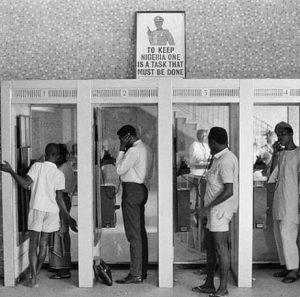
Not too long ago, making a phone call in Nigeria was a test of patience and privilege. In the era dominated by the Nigerian Telecommunications Limited (NITEL), access to telephone lines was scarce, unreliable, and often limited to government offices and a few elite homes. Long queues at public phone booths were common, and for many Nigerians, communication across distances was both expensive and frustrating.
At the time, teledensity the number of telephone lines per 100 people was extremely low, reflecting a nation largely disconnected.
The GSM Revolution: A Turning Point

Everything changed in 2001 when Nigeria liberalized its telecom sector and introduced Global System for Mobile Communications (GSM). The arrival of major players like MTN Group and Airtel Nigeria (then Econet) marked the beginning of a communications revolution.

Suddenly, mobile phones became accessible to ordinary Nigerians. What was once a luxury quickly turned into a necessity. Within a few years, millions of Nigerians owned mobile devices, and communication became faster, easier, and more affordable.
The impact was immediate businesses expanded, families reconnected, and new economic opportunities emerged across urban and rural areas.
The Data Boom: Internet Changes Everything

Telecom operators such as Globacom and 9mobile joined the competition, driving innovation and reducing costs.

Smartphones became widespread, enabling Nigerians to access social media, e-commerce, online education, and digital financial services. Today, millions rely on mobile internet for everything from running businesses to accessing healthcare and government services.
The telecom sector has also played a critical role in powering Nigeria’s fintech boom, making the country one of Africa’s leading digital economies.
Infrastructure and Expansion: Bridging the Gap
Behind the scenes, massive investments in infrastructure have fueled this growth. Thousands of telecom towers now dot the Nigerian landscape, while fibre optic cables continue to expand broadband access across the country.
The introduction of 5G technology marks a new chapter, promising faster speeds, lower latency, and the potential to power emerging technologies like artificial intelligence, smart cities, and the Internet of Things (IoT).
However, challenges remain particularly in rural connectivity, infrastructure costs, and regulatory hurdles. Bridging the digital divide between urban and underserved communities continues to be a key priority.
The Future: Towards Digital Sovereignty
Nigeria’s telecom journey is far from over. With increasing focus on digital sovereignty, local content development, and data protection, the country is now looking beyond connectivity to control and ownership of its digital ecosystem.
Government agencies like National Information Technology Development Agency (NITDA) are pushing policies that encourage local innovation, strengthen cybersecurity, and ensure that data generated within Nigeria contributes to national growth.
As the country positions itself for the future, telecommunications will remain at the heart of its digital transformation powering industries, connecting people, and unlocking new possibilities.
From less than a million lines in the 1990s to over 200 million active mobile subscriptions today, Nigeria’s telecom sector stands as one of the most successful liberalization stories in Africa.
What began as a struggle for basic communication has evolved into a dynamic, fast-growing industry shaping the nation’s economic and social fabric.
Nigeria is no longer just connected it is becoming a digital powerhouse.