By Peace Timi
In the past, breaking news came from TV channels or newspapers. Today, it can start with a 15-second TikTok video, a trending hashtag on Twitter, or a viral Instagram Reel. App challenges and memes have transformed social media into a powerhouse for shaping what people talk about, sometimes faster than traditional media.
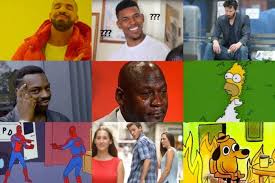
What used to be just fun, like dancing challenges or quirky lip-sync videos, now regularly sparks worldwide conversations. Remember the “#MilkCrateChallenge”? It started as a silly dare among friends and ended up everywhere online, even making news headlines because people were falling off crates in hilarious and sometimes painful ways. Memes, too, capture feelings, poke fun at society and spread faster than any editorial piece ever could.
These trends explode because they’re relatable, funny and easy to share. TikTok’s “For You” page and Instagram Reels push trending content to millions in hours. Challenges invite everyone to participate and add their own twist. Humor makes it sticky, people love to laugh and when laughter spreads, so does awareness.
Sometimes, these challenges are more than just entertainment. Take #TrashTag, for example. What started as a viral “clean-up your neighborhood” challenge turned into a global movement, with people sharing before-and-after photos of littered streets. Satirical memes about politics or celebrity drama can ignite conversations that make their way into mainstream news outlets overnight. In many ways, memes have become mini-editorials, summarizing events in ways that are short, funny and immediately understandable.
Of course, not all viral content is harmless. Trends can misinform, exaggerate or take things out of context, spreading faster than fact-checkers can keep up. That’s the double-edged sword of memes and challenges, they’re powerful, entertaining and sometimes chaotic.
The truth is, viral app challenges and memes aren’t just digital distractions anymore. They’re shaping culture, influencing public opinion and even guiding newsrooms on what people care about. The next time a dance challenge or meme takes over your feed, remember: it might just be tomorrow’s headline.