
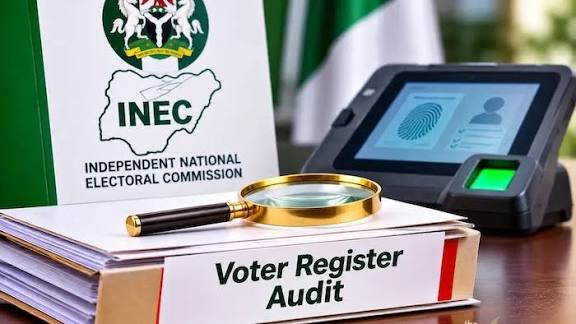
The Independent National Electoral Commission (INEC) has recorded mixed results during its nationwide mock accreditation and election result upload exercise held ahead of the 2027 general elections.
The exercise was designed to test the Bimodal Voter Accreditation System (BVAS), electronic transmission of results and other election procedures before Nigerians go to the polls next year.
Reports from different states showed that some polling units experienced low voter turnout, while others recorded technical problems, delays in the arrival of materials and poor public awareness.
The mock exercise was conducted in selected polling units across the country, including the Federal Capital Territory.
The commission used the exercise to assess whether its equipment and staff were prepared to handle voter accreditation and electronic result transmission during the general elections.
Mixed results across the states
Reports from Plateau, Nasarawa, Akwa Ibom and Edo indicated relatively encouraging participation at some locations.
In other states, including Abia, Oyo, Ondo, Bayelsa, Ogun and several northern states, some polling units recorded low participation.
Some voters also reportedly experienced difficulties with the BVAS equipment.
The problems included difficulty recognising faces and retrieving voter registration details in certain locations.
Late arrival of election materials also affected the exercise in some areas.
These challenges are important because INEC needs to identify and correct problems before the actual election.
INEC chairman expresses confidence
INEC Chairman Professor Joash Amupitan said the commission remained committed to conducting free, fair and credible elections in 2027.
He expressed satisfaction with the exercise in Plateau State, where he observed voter accreditation and the performance of the electoral technology.
The chairman said the exercise was meant to identify gaps before the elections so that the commission could address them in advance.
INEC is also working with security agencies to identify areas that may face security challenges during the elections.
What the exercise means for Nigerian voters
The mock exercise is important because it gives INEC an opportunity to test its systems before millions of Nigerians participate in the general elections.
The commission will need to address problems involving equipment, voter awareness, logistics and result transmission.
Low turnout during a mock exercise does not automatically mean voters will fail to participate in the actual election.
Some people may not have known about the exercise, while others may have considered it less important than the real election.
However, the results show that voter education remains important.
INEC must make sure Nigerians know where they are expected to vote, what they need to bring and how the accreditation process works.
The commission must also ensure that election equipment is properly tested and that technical support is available at polling units.
Questions about electronic result uploads
Reports about the number of uploaded results contain inconsistencies in the figures and percentages being reported.
For that reason, this article does not repeat a precise upload percentage as a verified figure.
INEC will need to provide a clear final report on the exercise, including the number of results successfully uploaded, problems identified and improvements planned.
The most important lesson is that preparations for the 2027 election are continuing, and the commission has time to address the problems identified during the mock exercise.
Nigerians will expect the final election to be more organised, transparent and reliable.