
Meta description: Nigeria is set to receive 300 CNG buses from China’s Yutong, with plans for local assembly in Ibadan and a government target of reducing transport fares by 40 per cent.
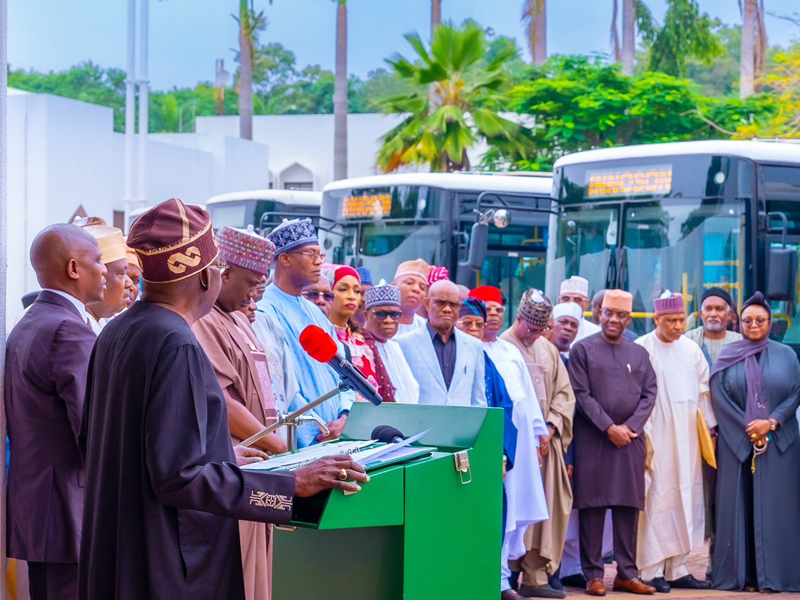
Nigeria is taking another step towards improving its public transportation system following plans by Chinese vehicle manufacturer Yutong to establish a compressed natural gas (CNG) bus assembly plant in Ibadan, Oyo State. The development is part of the Federal Government’s effort to reduce transportation costs, improve local vehicle production and provide more affordable transport services for Nigerians.
President Bola Ahmed Tinubu welcomed the proposed investment, which is expected to support the government’s National Affordable CNG Transit Programme. The programme is designed to encourage the use of buses powered by compressed natural gas and reduce the amount Nigerians spend on daily transportation.
Under the arrangement announced by the Presidency, Yutong is expected to supply an initial 300 CNG-powered buses to Nigeria. The first 100 buses are expected to arrive in Lagos by the end of December 2026, while the remaining vehicles will form part of the wider supply and local assembly arrangement.
The agreement also provides for the establishment of bus assembly operations at the former Leyland Automotive plant in Ibadan through YP Automobiles Bus Assembly. This is expected to create opportunities for Nigerian engineers, technicians and other workers who may become involved in assembling and maintaining the vehicles.
The Presidency said the investment would help strengthen Nigeria’s automotive industry, encourage technology transfer and reduce dependence on imported commercial vehicles.
The announcement is important because transportation remains one of the major expenses facing many Nigerian households. Workers depend on buses and commercial vehicles to reach their offices, traders use them to move goods, and students rely on public transportation to attend schools and universities.
When transport fares increase, the effects are usually felt in other areas of the economy. The cost of transporting food, building materials, household goods and other products can also rise. This can place additional pressure on families already struggling with the cost of living.
The Federal Government believes that increasing the number of CNG-powered buses could help reduce these expenses. However, the success of the programme will depend on whether the buses become available on major routes and whether transport operators are willing to reduce fares.
Compressed natural gas is produced by compressing natural gas so that it can be stored and used as fuel in specially designed vehicles.
Unlike conventional petrol and diesel vehicles, CNG vehicles use natural gas to power their engines. The Federal Government has continued to promote the fuel as another option for commercial transportation, especially as Nigeria looks for ways to reduce the cost of running vehicles.
One reason for the government’s interest is Nigeria’s natural gas resources. The country has large gas reserves, and the government wants to encourage more domestic use of the resource rather than depending heavily on imported fuel products.
The CNG programme is also connected to the government’s wider plan to increase investment in gas infrastructure, including refuelling stations and mobile refuelling facilities.
However, using CNG buses on a large scale requires more than purchasing vehicles. There must be enough refuelling points, trained mechanics, reliable maintenance services and proper safety arrangements.
Without these facilities, transport operators may find it difficult to use the buses regularly.
The government has said it is working with different investors and state governments to expand the infrastructure required for the programme. The Presidency also referred to plans for additional CNG refuelling facilities across the country.
One of the major parts of the announcement is the proposed supply of 300 buses by Yutong.
The first 100 vehicles are expected to arrive in Lagos by the end of December 2026. The remaining vehicles will be supplied as the programme develops.
The buses are expected to support commercial transportation and help increase the number of available vehicles on selected routes.
For Lagos, the arrival of the first 100 buses could be important because of the state’s large population and daily demand for public transportation.
Thousands of residents travel between residential areas, markets, business districts and industrial locations every day. Many workers spend a considerable amount of money traveling to and from their workplaces.
The government hopes that introducing more buses will help improve transportation capacity and make it easier for people to move around.
However, the announcement does not mean that every Nigerian will immediately benefit from cheaper transport. The buses must first arrive, enter service and be distributed through an effective operating arrangement.
The government and participating transport operators will also need to determine which routes will receive the buses and how fares will be calculated.
These details will be important because the main reason for introducing the buses is to reduce the financial pressure on passengers.
Another important part of the development is the proposed assembly plant in Ibadan.
The former Leyland Automotive plant is expected to host the local assembly activities through YP Automobiles Bus Assembly.
The location is significant because Nigeria has previously had a history of vehicle assembly and manufacturing activities. However, the country’s automotive industry has faced several challenges, including unstable production levels, high operating costs, limited investment and dependence on imported vehicle parts.
The planned Yutong arrangement could provide an opportunity to strengthen local assembly activities.
Instead of importing every finished bus, some vehicles are expected to be assembled within Nigeria.
This may create employment opportunities for technicians, welders, engineers, mechanics, factory workers and other professionals.
It could also encourage businesses that supply vehicle components, spare parts, tyres, electrical equipment and maintenance services.
If the project develops successfully, the benefits may extend beyond the assembly plant itself.
Local suppliers could receive new business opportunities, while technical institutions may have more reasons to train students in automotive engineering and vehicle maintenance.
However, it is important to understand the difference between vehicle assembly and full vehicle manufacturing.
Assembly involves bringing together components and parts to produce a finished vehicle. Full manufacturing involves a much wider production process, including making important components and developing local production technology.
Therefore, the establishment of an assembly plant should be seen as a possible starting point for industrial development rather than proof that Nigeria has already achieved full vehicle manufacturing independence.
The level of local content used in the vehicles will determine how much of the economic benefit remains within the country.
Tinubu’s 40 per cent transport fare target
President Tinubu’s administration has set a target of reducing transportation fares by approximately 40 per cent on participating routes under the National Affordable CNG Transit Programme.
The target is one of the most important parts of the announcement because it connects the investment directly to the daily lives of Nigerians.
For many families, transportation is not an optional expense. People must travel to work, schools, hospitals, markets and other important places.
When fares increase, families may have to reduce spending on food, education, healthcare and other needs.
A reduction in transport fares could therefore provide some relief, especially for people who travel several times each week.
For example, a passenger who spends N1,000 on a particular journey would spend N600 if the fare were reduced by 40 per cent. This example is only an illustration of the announced target, not a confirmed fare for any route.
The government has also said that lower operating costs from CNG-powered buses should lead to lower fares for passengers.
However, the important question is how this target will be achieved.
Transport fares are affected by several factors, including fuel costs, vehicle maintenance, spare parts, insurance, road conditions, staff salaries and operating expenses.
Even if CNG costs less than another fuel option, transport operators may still face other expenses.
The government will therefore need to work closely with operators to make sure that the expected savings reach passengers.
The planned investment could support Nigeria’s economy in several ways.
First, it could increase activity in the automotive sector. A functioning assembly plant may create employment and provide opportunities for local businesses.
Second, it could encourage the development of technical skills. Workers involved in assembling and maintaining modern buses may gain experience with vehicle technology, electrical systems, engines and safety equipment.
Third, the programme could encourage more investment in natural gas infrastructure.
If more commercial vehicles begin using CNG, the demand for refuelling facilities and related services may increase.
Fourth, the programme could help reduce the country’s dependence on imported finished buses if local assembly activities become successful.
Nigeria spends money importing vehicles and vehicle components. Increasing local assembly could help create more economic activities within the country.
However, the actual effect will depend on the number of vehicles assembled locally and the percentage of components sourced from Nigerian suppliers.
The government must also ensure that the project operates consistently. An assembly plant that opens but cannot maintain regular production will not deliver the full benefits expected from the investment.
Challenges that could affect the project
Despite the possible benefits, the programme faces several challenges.
One of the biggest is the availability of CNG refuelling facilities.
Commercial buses operate for many hours each day. Their owners need convenient access to fuel, otherwise they may experience delays and lose income.
If refuelling stations are located far from major transport routes, operators may find it difficult to depend on CNG.
Another challenge is maintenance.
Modern buses require trained technicians and reliable spare parts. If important components are not available locally, operators may have to wait for imported parts before repairing damaged vehicles.
This could reduce the number of buses available for public transportation.
The government will also need to establish proper safety standards. CNG vehicles require suitable fuel storage systems, regular inspections and trained maintenance workers.
There is also the question of affordability.
Although the government wants to reduce transport fares, it must make sure that operators can run the buses without suffering financial losses.
If the cost of purchasing, financing and maintaining the buses is too high, private operators may be unwilling to participate.
Another important issue is the condition of roads.
Public transportation depends on good road infrastructure. Poor roads can damage vehicles, increase maintenance expenses and reduce the lifespan of buses.
The success of the programme will therefore depend on cooperation between the Federal Government, state governments, transport companies and infrastructure investors.
What Nigerians should expect next
The first major development to watch is the arrival of the initial 100 buses expected in Lagos by the end of December 2026.
After their arrival, Nigerians will want to know which transport routes will receive them and when they will begin commercial operations.
The establishment and operation of the Ibadan assembly plant will also be important.
The public will need more information about the plant’s production capacity, employment opportunities, local component sourcing and the number of buses expected to be assembled.
Another important issue will be the actual reduction in transport fares.
The government has announced a target of approximately 40 per cent, but passengers will need to see clear evidence that the programme is reducing the amount they pay.
Transport operators must also be involved in the planning process because they understand the daily challenges of running commercial vehicles.
The proposed Yutong CNG bus assembly plant represents an important opportunity for Nigeria’s transportation and automotive industries.
The planned supply of 300 buses, the expected arrival of the first 100 vehicles and the proposed assembly activities in Ibadan could support employment, local technical development and improvements in public transportation.
The government’s target of reducing fares by approximately 40 per cent is also an important promise that could benefit millions of Nigerians if properly implemented.
However, the real success of the project will not be measured by announcements alone. It will depend on the arrival of the buses, the operation of the assembly plant, the availability of refuelling facilities and the actual savings passengers receive.
Nigerians will be watching to see whether the investment can turn into a reliable transport system that provides affordable services and supports local industrial development