
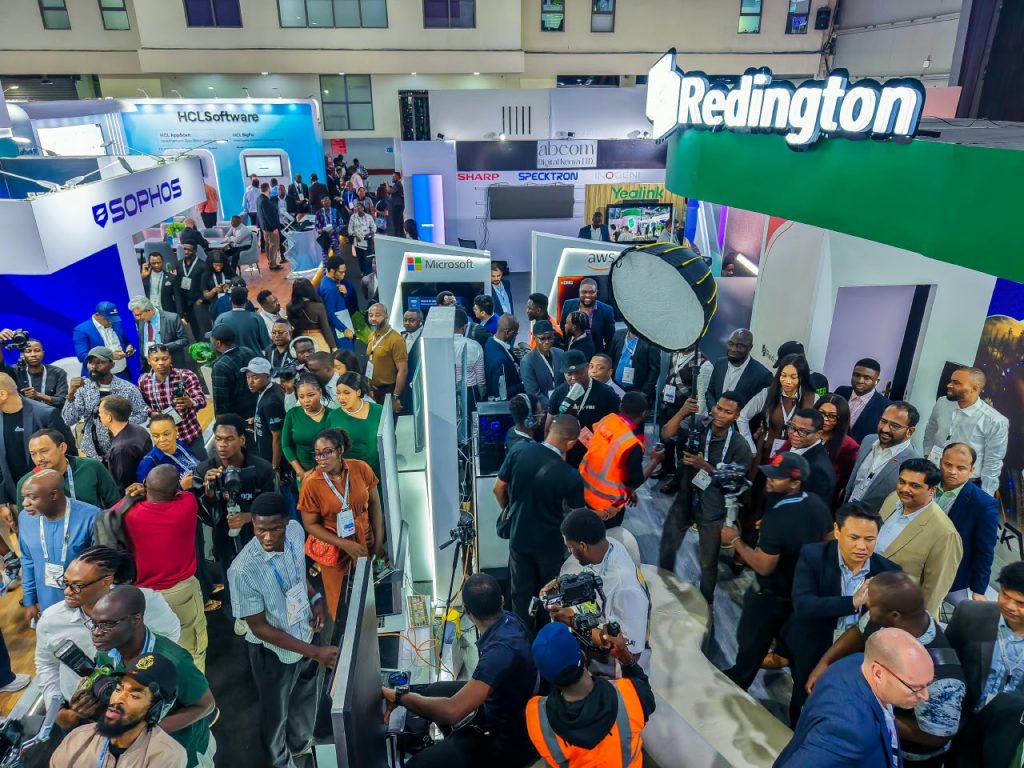
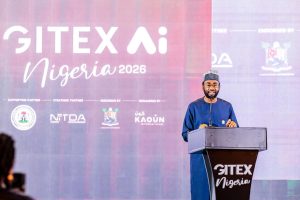
 Nigeria has strengthened its position at the centre of Africa’s emerging technology ecosystem as GITEX NIGERIA 2026 officially opened in Abuja, bringing together senior government officials, global technology leaders, investors, innovators and key stakeholders to advance conversations around artificial intelligence, digital sovereignty and technology-driven economic transformation.
The second edition of the major technology, AI and startup event commenced on Monday with a high-level inauguration ceremony, followed by the Government Leadership & AI Summit, which placed Nigeria’s digital ambitions and Africa’s race towards sovereign artificial intelligence firmly at the centre of discussions.
Held under the patronage of President Bola Ahmed Tinubu, GCFR, GITEX NIGERIA 2026 is taking place across Abuja and Lagos from 31 August to 3 September 2026. The event is supported by the Federal Ministry of Communications, Innovation and Digital Economy in collaboration with the National Information Technology Development Agency (NITDA), endorsed by the Lagos State Government and organised by KAOUN International, the global organiser of GITEX events.
Speaking at the inauguration, the Director-General of NITDA, Kashifu Inuwa Abdullahi, said Nigeria was steadily building the foundations required to achieve greater digital sovereignty and unlock technology-led economic growth.
He pointed to initiatives including DL4ALL, 3MTT and Project BRIDGE, which he said are helping to expand Nigeria’s technical talent pool and extend digital inclusion, alongside efforts to develop cloud infrastructure, strengthen regulatory frameworks and support local data hosting and responsible artificial intelligence deployment.
“Achieving true digital sovereignty means owning the capabilities, infrastructure, and intelligence that power our future,” Abdullahi said.
He added that Nigeria’s ambition goes beyond participating in the global technology ecosystem, stressing that the country intends to play a leading role in shaping it.
“GITEX NIGERIA positions our country as a global force shaping the international tech ecosystem, not just participating in it,” he stated.
The event also highlighted the growing opportunities within Nigeria’s digital infrastructure landscape, particularly in Lagos, where expanding connectivity, subsea cable capacity, regulatory reforms and public-sector digitalisation are creating new opportunities for investors and technology companies.
Lagos State Governor, Babajide Sanwo-Olu, urged international investors to look beyond Nigeria’s traditional image as a consumer fintech market, identifying computing infrastructure and digital government services as major opportunities for the next phase of the country’s technology economy.
According to the governor, Lagos’ extensive subsea connectivity provides a strong foundation for the development of computing infrastructure needed to support Africa’s rapidly expanding artificial intelligence workloads. He noted that much of Africa’s AI processing currently takes place outside the continent, creating challenges around latency, cost and data sovereignty while simultaneously presenting an attractive investment opportunity.
Sanwo-Olu also highlighted the growing technology needs of government, pointing to the digitisation of procurement, revenue collection, permitting, healthcare records, transportation and land administration as areas capable of creating a significant and recurring market for enterprise technology solutions.
The Federal Government’s commitment to using technology as a catalyst for economic transformation was further reinforced by the Secretary to the Government of the Federation, Senator Dr George Akume, CON, who said Nigeria must move beyond basic connectivity and develop indigenous capacity in technology, artificial intelligence and digital infrastructure.
Speaking on behalf of the Federal Government’s broader economic vision, Akume said Nigeria’s ambition of building a $1 trillion economy would require a decisive shift from technology consumption to technology production.
“To achieve economic transformation we must now move far beyond basic connectivity to build true indigenous innovation and digital sovereignty,” he said.
He described GITEX NIGERIA as a strategic platform where government policy and private-sector execution can converge to accelerate Nigeria’s digital transformation.
“This is our opportunity for decisive transition from being mere consumers of foreign technology to becoming global producers of talent, sovereign infrastructure, and inclusively designed AI — built by Nigeria, for Nigeria. We are leading a new era for Africa,” he declared.
With the theme “Beyond Connectivity – The Bridge to Sovereign AI & Innovation,” the Abuja Government Leadership & AI Summit brought together more than 500 public- and private-sector leaders and investors from Nigeria, Africa and other parts of the world.
Discussions focused on some of the most pressing issues shaping Africa’s digital future, including artificial intelligence, digital public infrastructure, cybersecurity, data sovereignty, connectivity, investment and strategic technology partnerships.
More than 25 international experts participated in conversations examining how African economies can translate digital ambition into trusted infrastructure, scalable innovation and sustainable economic value.
Sessions explored the role of cables, satellites, towers, edge infrastructure and blended finance in closing Africa’s connectivity gap, while other discussions examined the barriers preventing greater private-sector investment in digital infrastructure across West Africa.
The summit also examined Africa’s rapidly evolving digital government landscape, with experts exploring opportunities around digital identity, payments, data exchange and interoperability as governments across the continent accelerate the digitisation of public services.
Following the Abuja summit, GITEX NIGERIA will move to Lagos from 2–3 September for the Tech Expo, staged alongside the Future Economy Conference and FDX by GITEX. The Lagos programme is expected to provide startups and entrepreneurs with opportunities to connect with global investors, secure partnerships, access international markets and accelerate their growth.
More than 200 investors from 30 countries, collectively managing approximately US$200 billion in assets, are expected to participate in the Lagos programme. New international funds joining the programme include France’s Askya Investment Partners, Belgium’s Incofin Investment, Kenya- and Netherlands-based Triple Jump, UK-based Lightrock, UAE-based Global Ventures and US-based Innovest Afrika.
The potential impact of the event is already evident from its inaugural edition in 2025, when venture studio FirstFounders connected with 18 startups. Three of those companies—LabTracka, Vant and GraceAI—subsequently entered deeper discussions with the firm.
Vant, an AI-powered business banking and management platform, later joined the FirstFounders portfolio through an investment valued at US$200,000, combining capital with operational support and demonstrating how connections made at GITEX NIGERIA can translate into tangible investment and long-term growth opportunities.
As GITEX NIGERIA 2026 continues in Lagos, the event is expected to deepen conversations around Africa’s technology future while creating stronger links between policymakers, entrepreneurs, investors and global technology companies.
The message emerging from Abuja is clear: Africa’s digital future cannot be built solely on connectivity and technology consumption. It will require indigenous talent, sovereign infrastructure, responsible AI, private capital and bold collaboration. With Nigeria positioning itself as a hub for these conversations, GITEX NIGERIA 2026 is providing a platform for the continent to move from being a consumer of technology to becoming a serious creator, owner and exporter of digital innovation.