
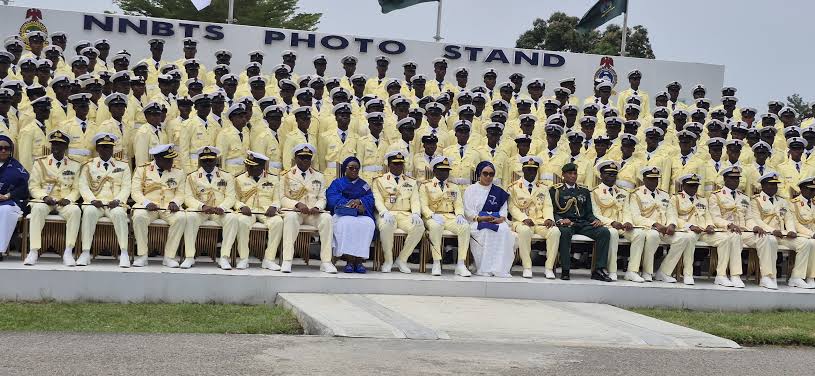
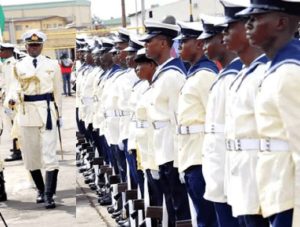
The Chief of the Naval Staff, Vice Admiral Idi Abbas, has warned newly graduated Nigerian Navy personnel against political partisanship, drug abuse and other forms of misconduct as they prepare to begin active military service.
The naval chief gave the warning during the passing-out and graduation ceremony of Batch 38 of the Nigerian Navy Basic Training School in Onne, Rivers State.
A total of 1,916 ratings reportedly graduated from the training school after completing their training.
Abbas urged the new personnel to remain disciplined, professional and committed to serving the country.
He said the approaching 2027 general elections could require some naval personnel to support election security operations, making it important for them to remain politically neutral.
The naval chief warned them against allowing political interests to influence their duties.
He said they must discharge any election security responsibilities assigned to them impartially and respect the constitutional rights of citizens.
The warning comes as Nigeria prepares for another general election and continues to face security challenges across different parts of the country.
The Navy said its personnel would be expected to maintain professionalism, discipline and respect for the law wherever they are deployed.
1,916 Navy Ratings Graduate From Training School
The graduation ceremony marked the completion of training for 1,916 personnel of Batch 38 of the Nigerian Navy Basic Training School.
The new ratings are expected to begin their careers in different naval formations and operational areas.
The training programme was designed to prepare them for military service and introduce them to the responsibilities associated with working in the Nigerian Navy.
The personnel underwent training in different areas, including military discipline, operational procedures and other combat and non-combat activities.
The graduation ceremony was attended by senior naval officers and other officials.
The naval chief used the occasion to remind the graduates that completing their training was only the beginning of their responsibilities.
He said they must continue learning and developing their professional skills throughout their careers.
Military service requires discipline, commitment and the ability to work with other personnel.
The graduates will be expected to follow lawful instructions and carry out their assignments according to the standards of the Nigerian Navy.
They may be deployed to naval ships, operational bases, naval establishments and joint operational areas.
The assignments will require them to apply the knowledge and skills acquired during their training.
The naval chief said the personnel must remain willing to learn and improve their competence.
He also urged them to maintain vigilance and dedication to their duties.
Warning Against Political Partisanship
One of the major messages delivered by Vice Admiral Idi Abbas was the need for naval personnel to remain politically neutral.
The warning is particularly important because the 2027 general elections are approaching.
Military personnel may be assigned responsibilities related to election security.
Such duties may involve supporting security arrangements and helping ensure that voters can participate safely.
However, the naval chief said personnel must not allow political interests to influence their conduct.
He stressed that they must remain apolitical and discharge their responsibilities impartially.
The warning reflects the importance of neutrality among members of the Armed Forces during elections.
Military personnel are expected to serve the country rather than political parties or individual candidates.
Their responsibilities must be carried out according to the law and the instructions of their commanders.
The naval chief also reminded the graduates that their conduct must not undermine the Constitution or violate the rights of citizens.
Election security requires professionalism and restraint.
Security personnel must protect people and maintain order without interfering unnecessarily with lawful political activities.
They must also avoid actions that could create fear or intimidate voters.
The warning is intended to remind the new ratings that military service requires them to respect democratic principles.
Respect for the Constitutional Rights of Citizens
The naval chief emphasised the importance of protecting the constitutional rights of citizens.
He said personnel assigned to election security operations must act impartially and respect the rights of members of the public.
This responsibility is important because elections involve political competition and public participation.
Voters must be able to exercise their rights without intimidation.
Political parties and candidates must also be able to conduct lawful activities.
Security personnel are expected to maintain order while respecting the law.
Their responsibilities include protecting citizens and preventing violence.
However, the use of security personnel during elections requires careful management.
Personnel must understand their duties and avoid actions that could interfere with the electoral process.
They should also remain neutral when dealing with supporters of different political parties.
The naval chief’s warning is therefore an important reminder of the standards expected of military personnel.
Professional conduct can help strengthen public confidence in security agencies.
Navy Chief Warns Against Drug and Substance Abuse
Vice Admiral Abbas also warned the new ratings against drug and substance abuse.
He said discipline and ethical conduct must remain central to their careers.
Drug abuse can affect the health, judgment and performance of military personnel.
It may also create risks for individuals and other members of their units.
Military personnel are expected to remain alert and capable of carrying out their responsibilities.
Substance abuse can undermine those expectations.
The naval chief urged the graduates to avoid behaviour that could damage their careers or bring the Navy into disrepute.
He also warned against extortion and other forms of misconduct.
The warning reflects the importance of discipline within the military.
Personnel are expected to follow lawful orders, respect the chain of command and maintain high standards of conduct.
They must also understand that their actions can affect the reputation of the institution.
The Navy’s training programmes are expected to prepare personnel to understand these responsibilities.
However, maintaining discipline will require continuous attention throughout their careers.
Professionalism and Integrity
The naval chief identified integrity, professionalism and teamwork as important values that should guide the new ratings.
He described professionalism as a principle that brings these values together and strengthens the Navy’s commitment to its responsibilities.
Professionalism requires personnel to carry out their duties responsibly.
It also involves respecting colleagues, following lawful instructions and maintaining discipline.
Integrity means acting honestly and avoiding misconduct.
Teamwork is important because military operations depend on cooperation among personnel.
Individuals must be able to work together and support one another.
The naval chief said these values should guide the graduates wherever they are deployed.
He urged them to make professionalism the foundation of their service.
The message is important because military personnel may face difficult situations during their assignments.
They must be able to make decisions according to their training and the law.
Their conduct should reflect the standards of the Nigerian Navy.
The institution depends on its personnel to maintain public confidence and carry out its responsibilities effectively.
Nigeria’s Security Challenges
Vice Admiral Abbas said Nigeria continued to face several security challenges.
These include maritime crimes, crude oil theft, illegal bunkering, armed robbery against ships, terrorism, insurgency and banditry.
The challenges require security agencies to maintain operational readiness and cooperation.
The Nigerian Navy has responsibilities within the country’s maritime domain.
These responsibilities include protecting maritime interests, supporting security operations and helping prevent criminal activities at sea.
The naval chief said the service continued to support joint military operations across different parts of the country.
He said personnel must be prepared to work in different operational environments.
The graduates may be assigned to locations where security conditions require vigilance and professional conduct.
They must therefore understand their responsibilities and remain prepared to carry out their assignments.
The Navy’s training programmes are intended to develop personnel capable of supporting the service’s operations.
However, security challenges continue to require investment in training, equipment and personnel development.
The naval chief said the service must continue strengthening its capabilities.
Maritime Security and Economic Interests
Maritime security is important to Nigeria’s economy.
The country depends on maritime activities for trade, transportation and the movement of goods.
Its oil and gas sector also relies on infrastructure and operations connected to waterways and coastal areas.
Security threats within the maritime domain can affect economic activity.
Crude oil theft and illegal bunkering may cause financial losses and create risks for infrastructure.
Armed robbery against ships and other maritime crimes can threaten the safety of vessels and crew members.
The Navy has responsibilities to protect maritime interests and support operations against criminal activity.
Vice Admiral Abbas said sustained surveillance and intelligence-led operations had contributed to security improvements.
He also referred to the reported absence of piracy incidents in Nigerian waters since 2022.
Such claims should be understood as the Navy’s reported assessment of maritime security performance.
Maintaining security requires continuous operations and cooperation among different agencies.
The Navy may also need to work with other organisations involved in maritime safety and law enforcement.
The naval chief said personnel must remain prepared to support these responsibilities.
Operations Against Crude Oil Theft
The naval chief also referred to operations against crude oil theft and illegal bunkering.
He said intensified operations had strengthened security around critical oil and gas infrastructure.
The protection of such infrastructure is important because oil and gas activities contribute significantly to Nigeria’s economy.
Crude oil theft can affect production, government revenue and the operations of companies involved in the sector.
Illegal bunkering may also create environmental risks.
The Navy’s responsibilities include supporting efforts to prevent criminal activities within the maritime domain.
Vice Admiral Abbas said the operations had contributed to the recovery of crude oil production.
He reported that production reached approximately 1.72 million barrels per day, including condensates, in September 2026.
The figure was presented as part of the Navy’s assessment of the impact of security operations.
Oil production can be influenced by several factors, including infrastructure, investment, operational conditions and security.
The protection of oil and gas facilities remains an important responsibility for security agencies.
The naval chief said the Navy would continue supporting efforts to protect the country’s economic interests.
Training and Operational Readiness
The graduation of Batch 38 highlights the importance of training in the Nigerian Navy.
Military personnel must be prepared to carry out different assignments.
Training provides an opportunity to develop discipline, technical knowledge and operational skills.
The graduates reportedly underwent training in different areas, including shooting, bush camping and other combat and non-combat activities.
The naval chief said the personnel should continue learning after graduation.
He urged them to develop the competence required for their assignments.
Military training is not a one-time activity.
Personnel may require additional training depending on their responsibilities and the operational environment.
The Navy must also ensure that its training programmes remain relevant to emerging security challenges.
New technologies, changing threats and operational requirements may create additional demands.
Training institutions therefore have responsibilities to prepare personnel for different situations.
The naval chief said the training school should continue maintaining standards while adapting to new operational needs.
Deployment of the New Ratings
The new ratings are expected to be deployed to different naval formations.
Some may serve aboard naval ships, while others may work at operational bases and naval establishments.
Personnel may also be assigned to joint operational areas where different security agencies work together.
Their responsibilities will depend on their postings and the needs of the service.
The naval chief urged them to remain willing to learn wherever they are deployed.
He said their discipline, vigilance and dedication would be important in maintaining operational achievements.
The new ratings will have to adapt to their assignments and work with other personnel.
They must also understand the importance of following lawful orders.
The Navy’s operational effectiveness depends on the ability of personnel to carry out their responsibilities professionally.
The graduates are therefore expected to apply their training and continue developing their skills.
Respect for Human Rights
The naval chief also emphasised the importance of respecting human rights when personnel interact with civilians.
He urged them to exercise restraint and maintain respectful conduct.
Security operations can involve interactions with members of the public.
Personnel must understand that their responsibilities include protecting citizens and respecting their rights.
The use of force must be governed by the law and relevant operational procedures.
Personnel should avoid actions that could unnecessarily harm civilians or undermine public confidence.
Respectful conduct is important in communities where security agencies carry out operations.
Residents should be able to communicate concerns and seek assistance without fear.
The naval chief’s warning reflects the importance of professionalism in military-civilian relations.
Security agencies need cooperation from communities to carry out their responsibilities effectively.
Public confidence can help improve communication and support security operations.
Government Support and Military Welfare
Vice Admiral Abbas acknowledged the support of the Federal Government under President Bola Tinubu.
He referred to the recent salary review for Armed Forces personnel and the establishment of a dedicated support fund for injured military personnel and families of fallen heroes.
Military welfare is an important issue because personnel face demanding responsibilities.
They may be required to work in difficult environments and carry out assignments that involve risks.
Support for injured personnel and families of fallen service members can help address some of the challenges associated with military service.
The naval chief said the Navy would continue complementing government initiatives through training, personnel development and welfare administration.
Improving welfare can also support morale.
Personnel who receive appropriate support may be better able to focus on their responsibilities.
However, welfare arrangements must continue to meet the needs of personnel and their families.
The Navy’s responsibilities include maintaining operational readiness while supporting its workforce.
The graduation ceremony provided an opportunity for the naval chief to acknowledge the contributions of those involved in preparing the new ratings.
The Role of the Training School
The Nigerian Navy Basic Training School in Onne, Rivers State, plays an important role in preparing recruits for service.
The institution provides training designed to introduce personnel to military responsibilities.
The commandant, instructors, officers, ratings and civilian staff were commended for their contributions to the training programme.
The naval chief urged the institution to maintain its standards and adapt its curriculum to emerging operational demands.
Training schools must prepare personnel for the challenges they may encounter during service.
This includes discipline, teamwork, technical skills and an understanding of the law.
The institution must also ensure that recruits understand the values expected of them.
The graduation of Batch 38 represents another group of personnel entering the service.
Their performance will depend on how well they apply the training received and continue learning.
The Navy’s training system will remain important as the service develops its operational capabilities.
Cooperation With Rivers State and Host Communities
The naval chief also acknowledged the support of the Rivers State Government and host communities.
Cooperation between security agencies and local communities can help improve communication and support operational activities.
Host communities may provide assistance through cooperation, information sharing and other lawful forms of engagement.
The relationship between security agencies and communities is important because military establishments operate within local environments.
Personnel must respect residents and maintain good relationships.
Community cooperation can also help identify concerns and improve understanding.
The naval chief thanked stakeholders for their support of the training school.
He urged the graduates to remain worthy ambassadors of the Navy.
The Chief of the Naval Staff, Vice Admiral Idi Abbas, has warned newly graduated Nigerian Navy personnel against political partisanship, drug abuse and other forms of misconduct. The warning was delivered during the graduation ceremony of Batch 38 at the Nigerian Navy Basic Training School in Onne, Rivers State. A total of 1,916 ratings reportedly completed their training.
The naval chief said some personnel could be assigned election security responsibilities ahead of the 2027 general elections.
He urged them to remain apolitical, act impartially and respect the constitutional rights of citizens. He also stressed the importance of discipline, integrity, professionalism and teamwork. The graduates are expected to be deployed to naval ships, operational bases, establishments and joint operational areas. Their responsibilities may involve supporting maritime security and other operations. The Navy said it would continue investing in training and personnel development. The graduation marks the beginning of the new ratings’ careers, but the naval chief reminded them that their responsibilities would continue throughout their service. Their conduct, discipline and dedication will be important in supporting the Nigerian Navy’s mission and maintaining public confidence in the Armed Forces.