
Few countries match Nigeria’s raw passion for football. From bustling street pitches and neighborhood viewing centers to national team matches that bring millions to a standstill, the sport sits woven into the nation’s cultural identity. Yet hosting a FIFA World Cup requires far more than football love or even a single impressive stadium it demands an entire ecosystem of logistics, hospitality, transport, and global-standard facilities capable of welcoming hundreds of thousands of visitors seamlessly.
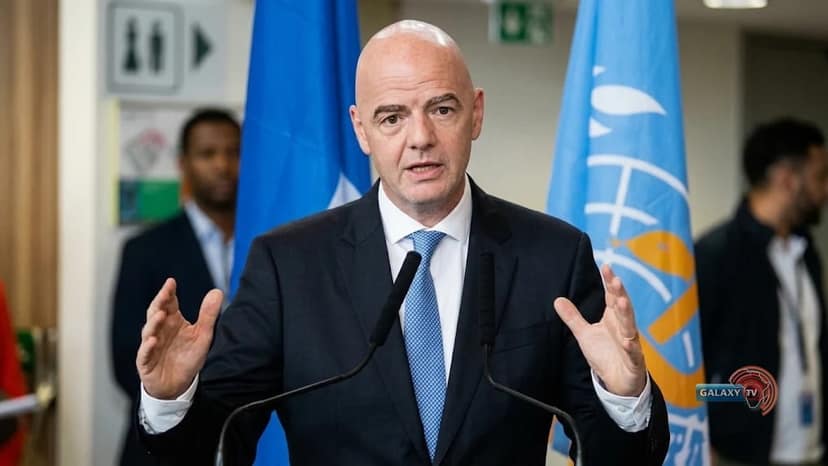
Following a high-profile visit to Nigeria that took him from inspecting the remodelled Warri City Stadium in Delta State to Abuja for the 48th Ordinary General Assembly of the Confederation of African Football (CAF), FIFA President Gianni Infantino delivered a candid assessment: Nigeria is not yet ready to host a FIFA World Cup.
Infantino’s remarks blended warm appreciation for Nigeria’s footballing pedigree with clear-eyed realism about hosting mega-tournaments. Traveling alongside FIFA Secretary-General Mattias Grafström, he praised the country’s rich tradition of producing top talent specifically singling out Delta State’s contribution to Nigerian and global football and spoke enthusiastically about the remodelled Warri City Stadium.
“This stadium is fantastic. It has everything you can dream of. I just would love to wear some shorts and kick the ball. So as soon as it’s completely finished, we’d come and play games with all these great Nigerian legends who come from this region,” Infantino said during the visit.
At the CAF assembly in Abuja, he also commended President Bola Ahmed Tinubu and Nigerian authorities for investing in sports facilities and backing young people. At the same time, Infantino pointed out that staging a World Cup involves strict operational standards and wide-ranging supporting infrastructure including accommodation capacity, airport readiness, and transport connectivity where Nigeria still has ground to cover before bidding for or hosting the global showpiece.
Why Hosting a World Cup Demands Whole-System Infrastructure
Even when a nation possesses iconic stadiums or passionate supporters, modern World Cup hosting is a massive logistical undertaking. Organizing committees and FIFA evaluate host readiness across multiple interlocking pillars:
-
Match Venues and Training Grounds: Multiple compliant stadiums and modern training centers meeting strict pitch, broadcast, security, and medical standards.
-
Transport and Mobility: Reliable air links, smooth inter-city movement, and congestion management capable of handling teams, officials, media, and fans.
-
Hospitality and Services: Sufficient hotel rooms, healthcare access, telecommunications reliability, and safety coordination across host cities.
Highlighting these gaps is not a dismissal of Nigeria’s football stature; rather, it is a reminder that football infrastructure sits inside a country’s broader economic and physical development.
Infantino’s visit also intersected with broader global football politics, with Nigeria backing his bid as he looks toward the 2027 FIFA presidential election alongside potential challengers. For Nigerian sports administrators, state governments, and policymakers, the takeaway is clear: celebrating refurbished venues like Warri City Stadium is a positive step, but turning passion into World Cup hosting readiness requires sustained, coordinated investment across sports venues and national infrastructure alike.