
Nigeria 2026 Youth Olympic Games Dakar Medal Strategy National Sports Commission
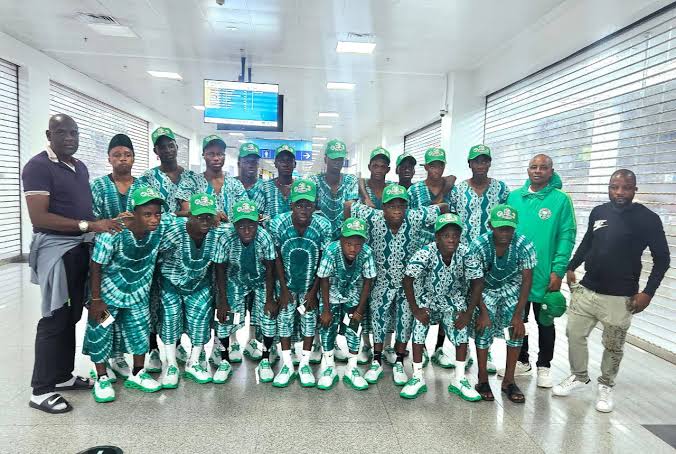
The National Sports Commission (NSC) today declared a target for Team Nigeria as preparations reach their final phase for the 2026 Youth Olympic Games in Dakar, Senegal. Speaking during an official briefing on Monday, NSC Director General Bukola Olopade confirmed that Nigeria’s contingent is aiming for its most successful outing in history, seeking to eclipse the medal record set sixteen years ago at the inaugural Youth Olympic Games in Singapore.
The 2026 Games mark a historic milestone for international athletics, representing the first Olympic sporting event hosted on the African continent. With competition scheduled from October 31 to November 13, 2026, Nigeria is preparing to field elite youth athletes across key disciplines, including athletics, combat sports, weightlifting, table tennis, and aquatic sports.
The Director General emphasized that national sports administrators have implemented a comprehensive, science-backed training curriculum designed to optimize athletic performance, technical conditioning, and psychological readiness. High-altitude training camps and intensive regional trials were utilized to select top-ranked talent across all six geopolitical zones, ensuring that the delegation represents Nigeria’s finest prospective Olympians.
Furthermore, the NSC reiterated the government’s commitment to youth sports development as a core pillar of national development, social cohesion, and international diplomacy. By prioritizing elite sports science, nutritional support, and high-performance coaching, national sports authorities aim to establish a clear pipeline connecting youth athletic achievements directly to senior Olympic success.
The upcoming Dakar Games serve as both an international competitive platform and a critical proving ground for West African sports infrastructure. With Team Nigeria entering final pre-event staging camps, national coaches express strong confidence that the young athletes will secure multiple podium finishes and set new continental records.
Analyzing national sports administration, high-performance training models, and talent pipeline management equips sports administrators, athletic directors, and youth development specialists with key insights into managing elite athletic delegations. Understanding how systematic preparation directly influences international performance offers valuable lessons for institutional planning and youth empowerment initiatives.