
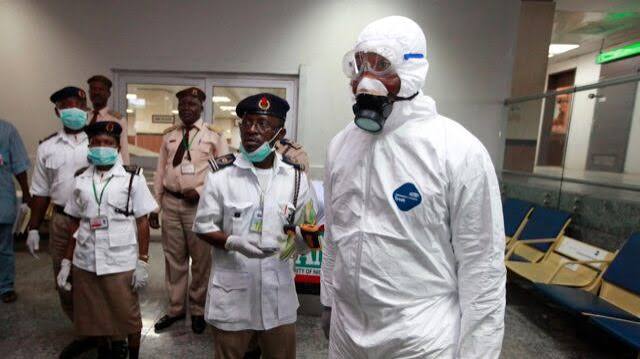
Health authorities and medical specialists across the country have issued an urgent national appeal for heightened clinical preparedness, active disease monitoring, and strict hospital protocols following the official confirmation of a rare viral hemorrhagic fever case in the nation’s capital.
The Medical and Dental Consultants’ Association of Nigeria has formally called upon both federal and state government authorities to immediately reactivate specialized infectious disease isolation facilities, intensify contact tracing efforts, and strengthen surveillance protocols across all health institutions. The medical advisory comes after a single imported case of Ebola Bundibugyo virus disease was detected in the Federal Capital Territory, marking the nation’s first encounter with this specific strain in recent years.
Speaking through an official policy statement, leadership representing senior medical consultants emphasized that the nation’s vast population, high internal mobility, and healthcare infrastructure limitations demand immediate, well-coordinated intervention strategies to prevent community transmission.
In public remarks, representatives expressed strong confidence in the ability of national public health leadership and specialized disease control agencies to manage the situation effectively. Medical experts highlighted the country’s successful containment strategies during previous health emergencies as a primary template for current operational responses. However, specialists cautioned that success relies heavily on seamless execution and unwavering compliance at all operational levels.
Critical Directives for Healthcare Facilities
Medical directors and hospital management authorities across tertiary, state, and private healthcare institutions have been instructed to enact immediate operational protocols to safeguard both patients and frontline medical personnel.
Key administrative and operational requirements include:
-
Activation of Isolation Structures: Emergency operations centers and specialized isolation facilities must be brought to full operational readiness immediately. Suspected cases must never be admitted into or managed within open hospital wards.
-
Essential Sanitary Supplies: Healthcare leadership must ensure an uninterrupted supply of clean running water, medical-grade hand sanitizers, non-contact infrared thermometers, and adequate personal protective equipment across all departments.
-
Infection Control Protocols: Infection Prevention and Control committees within hospitals are required to reactivate immediate training schedules, clinical drills, and realistic case simulations for resident doctors, nursing staff, and auxiliary health workers.
-
Standardized Case Reporting: Any patient meeting the clinical case definition for viral hemorrhagic fever must be reported without delay to regional epidemiological officers and national health protection authorities in strict adherence to established Disease Surveillance and Response guidelines.
Key Clinical Symptoms to Monitor:
• Sudden onset of high fever
• Severe and persistent headache
• Unexplained weakness or fatigue
• Uncontrolled vomiting and diarrhea
• Unexplained bleeding or bruising
• Recent contact with suspected cases or travel to affected regions
Senior consultants have explicitly instructed all attending medical personnel to maintain an exceptionally high index of suspicion when evaluating patients who present with unexplained fever or acute systemic illness, particularly those with recent international travel history. Frontline clinicians were explicitly warned not to approach or attend to suspected clinical cases without complete, correctly fitted protective equipment.
Frontline Workforce Support and Protection
To ensure the safety and sustained commitment of essential staff during the containment period, medical associations are advocating for immediate government intervention regarding healthcare worker welfare.
Senior representatives noted that a well-equipped, highly motivated workforce represents the primary line of defense against infectious disease threats. The association called for the prompt provision and enforcement of expanded hazard coverage, comprehensive medical insurance policies, and guaranteed safety supplies for all frontline health personnel working in clinical holding areas and isolation facilities.
Public Health Guidance and Community Prevention Guidelines
Health authorities continue to reassure the public that while the diagnosed viral strain carries significant risk, transmission is fully preventable through basic, consistent hygiene practices and immediate reporting.
Members of the general public are strongly advised to adhere to the following baseline preventive measures:
Avoid Fluid Contact: Refrain from direct, unprotected contact with the body fluids, blood, sweat, or secretions of any individual exhibiting symptomatic illness.
Avoid Wild Game: Refrain from handling, preparing, or consuming wild game meat or bushmeat, which can serve as natural reservoirs for zoonotic pathogens.
Maintain Strict Hand Hygiene: Frequently wash hands using clean, running water and soap, or utilize alcohol-based hand sanitizers when water is unavailable.
Prompt Clinical Reporting: Do not attempt to care for severely ill individuals at home or conceal symptoms within families. Suspected individuals should be taken immediately to the nearest structured health facility for professional care.
       [ Early Detection ] ➔ [ Immediate Isolation ] ➔ [ Supportive Care ]
                                                            │
                                                            ▼
                                                   [ Higher Survival ]
Public health officials emphasized that early clinical presentation significantly improves patient survival rates through timely supportive care, such as fluid management and symptom relief.
Furthermore, community members have been urged to rely exclusively on official updates released by the Federal Ministry of Health and Social Welfare, national public health agencies, and global public health organizations. Public health experts warned that unverified claims or false information circulated across digital platforms risk creating panic, delaying proper medical treatment, and undermining official containment efforts. Authorities also cautioned against the stigmatization of recovered patients, affected families, or health facilities managing cases, noting that fear and social discrimination often discourage symptomatic individuals from seeking early, life-saving medical care.
Case Context and Epidemiological Background
The confirmed index patient is a female traveler who recently arrived in Abuja following international travel from Uganda. Official medical timelines indicate that her symptoms first appeared four days after entry into the country. She subsequently sought medical attention at a private healthcare facility in the capital, where clinical suspicion prompted specialized laboratory diagnostic testing.
Laboratory results definitively confirmed the presence of the Bundibugyo strain of the virus. The patient remains in strict medical isolation receiving supportive management, while public health contact tracing teams continue to monitor potential exposure lines. National health agencies have formally activated incident management systems to oversee national surveillance, laboratory diagnostics, and border screening procedures across all international airports, seaports, and land crossing points.