
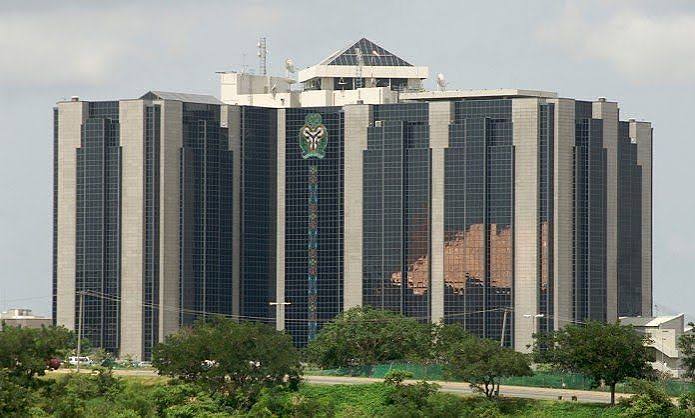

The Central Bank of Nigeria (CBN) has reduced its Monetary Policy Rate (MPR) by 3.5 percentage points, bringing it down from 26.5 per cent to 23 per cent.
The decision was announced after the Monetary Policy Committee (MPC) held its 307th meeting in Abuja. The rate cut is expected to affect interest rates across Nigeria’s financial markets as banks, investors and other financial institutions adjust to the new rate.
The decision came as some inflation figures showed signs of slowing down. Headline inflation fell slightly from 15.43 per cent in July to 15.39 per cent in August. Food inflation also dropped from 20.31 per cent to 19.57 per cent during the same period.
On a month-on-month basis, inflation fell from 1.57 per cent to 0.71 per cent. The slowdown in inflation gave the CBN more room to reduce its policy rate.
Before the CBN announced the rate cut, yields in the fixed-income market had already started falling.
The movement was partly linked to high liquidity in the financial system and strong demand from investors for government securities.
At the CBN’s most recent Open Market Operations (OMO) bill auction, the bank offered ₦1 trillion worth of bills across different maturity periods.
However, investors showed much stronger demand than the amount offered. Total bids reached about ₦6.31 trillion.
The CBN eventually allotted around ₦4.4 trillion to successful bidders.
One of the strongest areas of demand was the 154-day OMO bill. The CBN offered ₦400 billion of the instrument, but investors submitted bids worth about ₦4.2 trillion.
The yield on the 154-day bill was cleared at 18.41 per cent, while the effective true yield stood at 19.96 per cent.
This was lower than the 20.64 per cent true yield recorded during the previous auction.
The figures show that investors were already accepting lower returns on short-term government securities before the latest MPR decision.
The reduction of the MPR to 23 per cent is expected to put more pressure on yields in the money market and other fixed-income investments.
Short-term investments such as Nigerian Treasury Bills (NTBs) and OMO bills are likely to react more quickly because their returns are closely connected to changes in interest rates and CBN policies.
Longer-term Federal Government of Nigeria (FGN) bonds may also see their yields fall, although the change may happen more slowly.
The movement of long-term bond yields will also depend on government borrowing plans, inflation expectations and conditions in the wider economy.
For investors who already own long-term bonds, falling yields can be positive. When market yields fall, existing bonds with higher coupon rates can become more valuable. This can lead to higher prices for those bonds in the secondary market.
However, investors putting new money into Treasury bills, OMO bills and other short-term investments may receive lower returns than they did previously.
The lower interest-rate environment could also encourage some investors to look at other investment options.
As returns on short-term government securities fall, investors looking for higher returns may consider corporate bonds, dividend-paying shares and investments in businesses and other parts of the economy.
Abuja-based economic analyst Chukwunonso Iheoma said investors who depend mainly on short-term government securities for regular income could see their returns fall as new instruments are issued at lower rates.
Iheoma also said fixed-income fund managers could increase the amount of longer-term bonds in their portfolios.
The reason is that some investors may want to secure existing higher coupon rates before market yields fall further.
The rate cut could also have an effect on the Federal Government’s cost of borrowing.
If interest rates remain lower for a longer period, the government may be able to issue new domestic debt at lower rates.
This could reduce the cost of raising new money and refinancing some maturing short-term debt.
However, the effect on the government’s total debt-servicing cost will not happen immediately.
A large part of Nigeria’s existing domestic debt was issued in earlier periods when interest rates were higher. Those securities still carry their existing interest rates until they mature.
Lagos-based fixed-income analyst Temitope Oduola said the benefits of lower interest rates would therefore appear gradually.
According to Oduola, the immediate savings would mainly come from newly issued Treasury bills, OMO bills and other government securities issued at the new lower market rates.
As older debt matures and is replaced with new debt carrying lower interest rates, the government could gradually see a reduction in its interest payments.
The CBN’s decision is also important for businesses and individuals who need to borrow money.
When the policy rate falls, borrowing costs can eventually fall as well, although the effect on bank lending rates may not happen immediately.
Lower borrowing costs could make it easier for some businesses to obtain funds for expansion, equipment and other activities.
However, the full effect will depend on how banks respond to the new policy rate and how other economic conditions develop.
For investors, the main change is that returns on some short-term fixed-income investments may continue to decline.
For existing bondholders, falling yields can increase the market value of bonds that were issued with higher coupon rates.
For the government, lower rates could gradually reduce the cost of new domestic borrowing.
The CBN’s decision therefore affects several parts of the financial system, from government securities and investment returns to borrowing costs and public debt.
The coming months will show how quickly banks, investors and other financial institutions adjust to the new interest-rate environment.